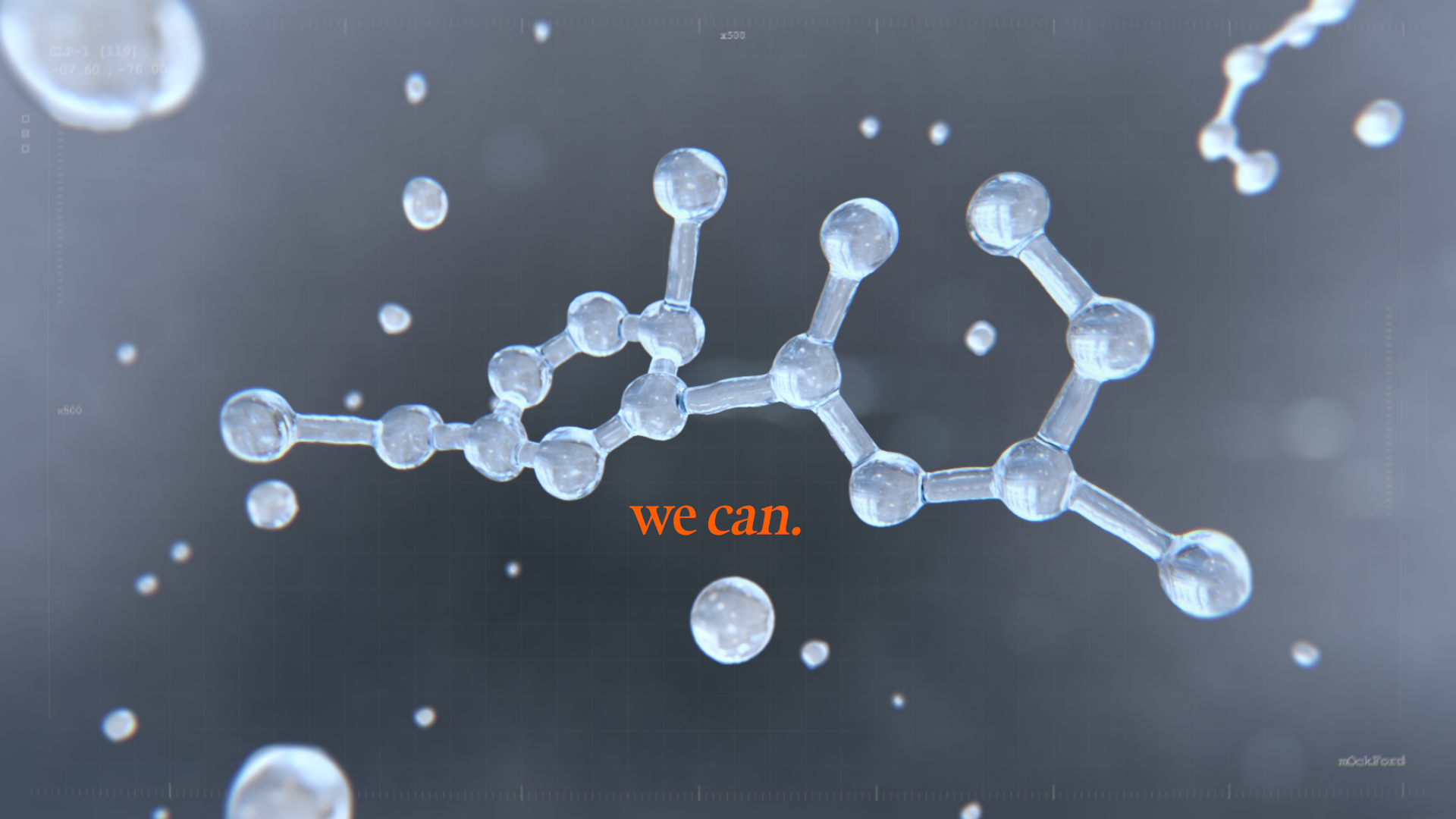
The Geometry of Water
A dip into water simulation for an innovative biotech company.
Abstract
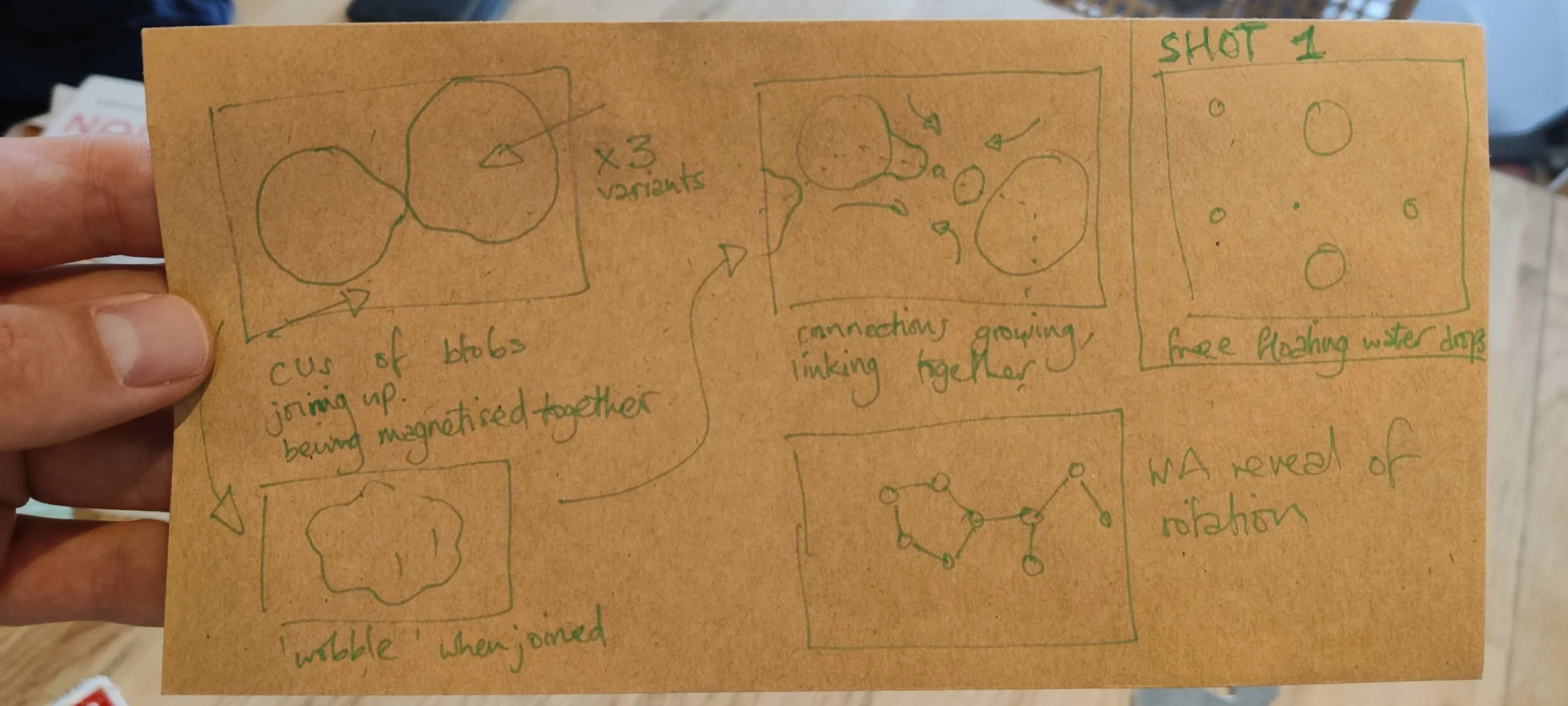
The idea to grow an enzyme out of water posed a creative and technical puzzle we couldn’t resist.
Computer-generated water is notoriously tricky to get right. Done well, it can be beautiful, but get the balance wrong and any number of potential sticking points can throw the whole composition off balance.
Presented with a daunting opportunity to push the creative, we looked to the little quote stuck above the door on our studio wall, which reads:
I usually know I’m onto something when I’m a little bit afraid of it. I go: “Wow, I could mess this up” - Kevin Costner (yep, Kevin Costner).
We sharpened our pencils and drew up a plan…
Methodology
One route was to leverage Cinema 4D’s new water simulation system, which, on paper, sounded perfect. In practice, though, it’s not quite production-ready. Like many new tools that get released early, its scope is still narrow, or buggy, and after a few tests, we found better results doing it by hand.
AI couldn’t be ignored as an option, but we wanted full control over the scene and the final composition. Being able to manipulate every ripple and splash was important. Plus, the need to composite motion graphics over the final renders meant that generating AI-slop was, fortunately, off the table.
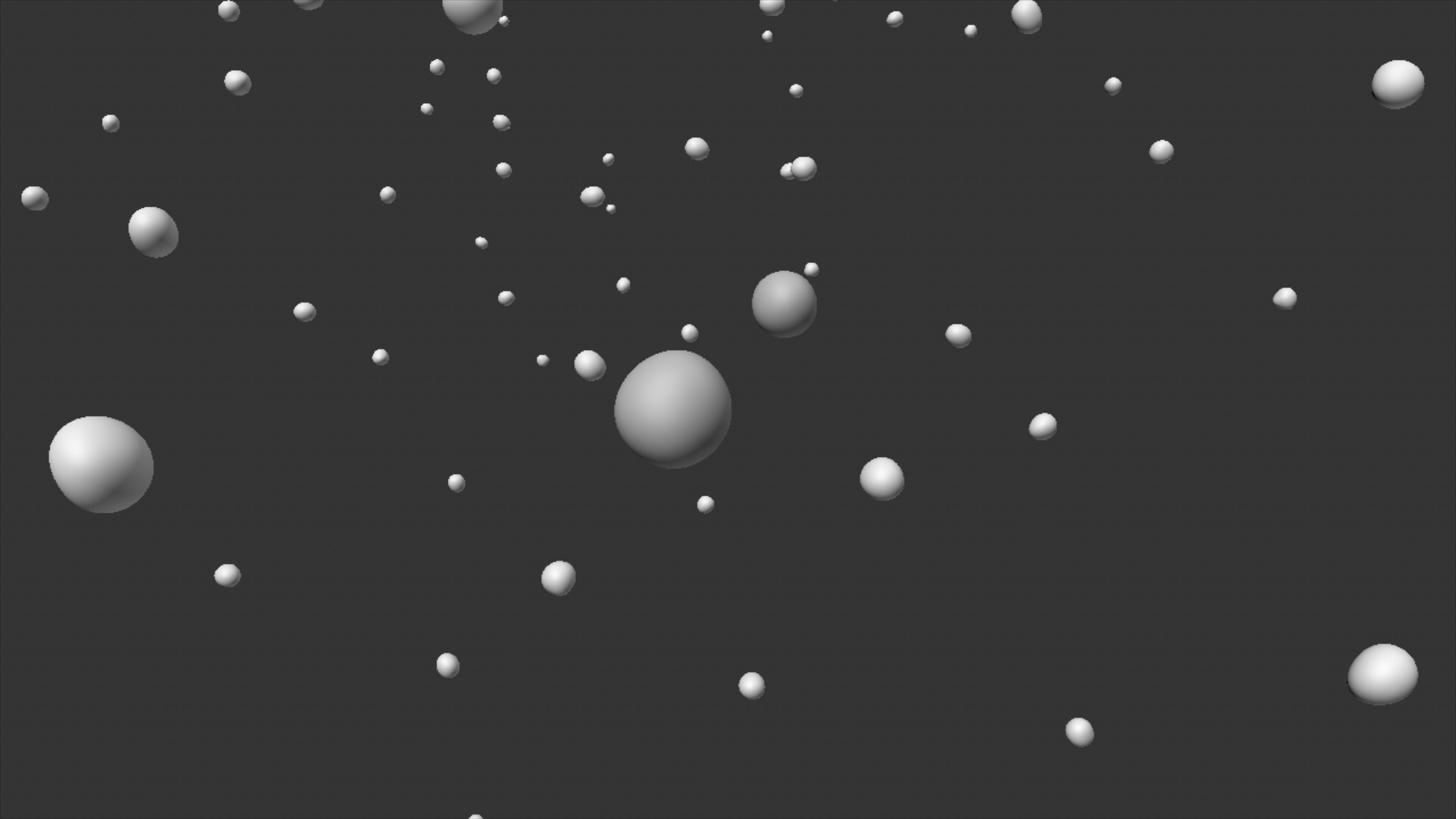
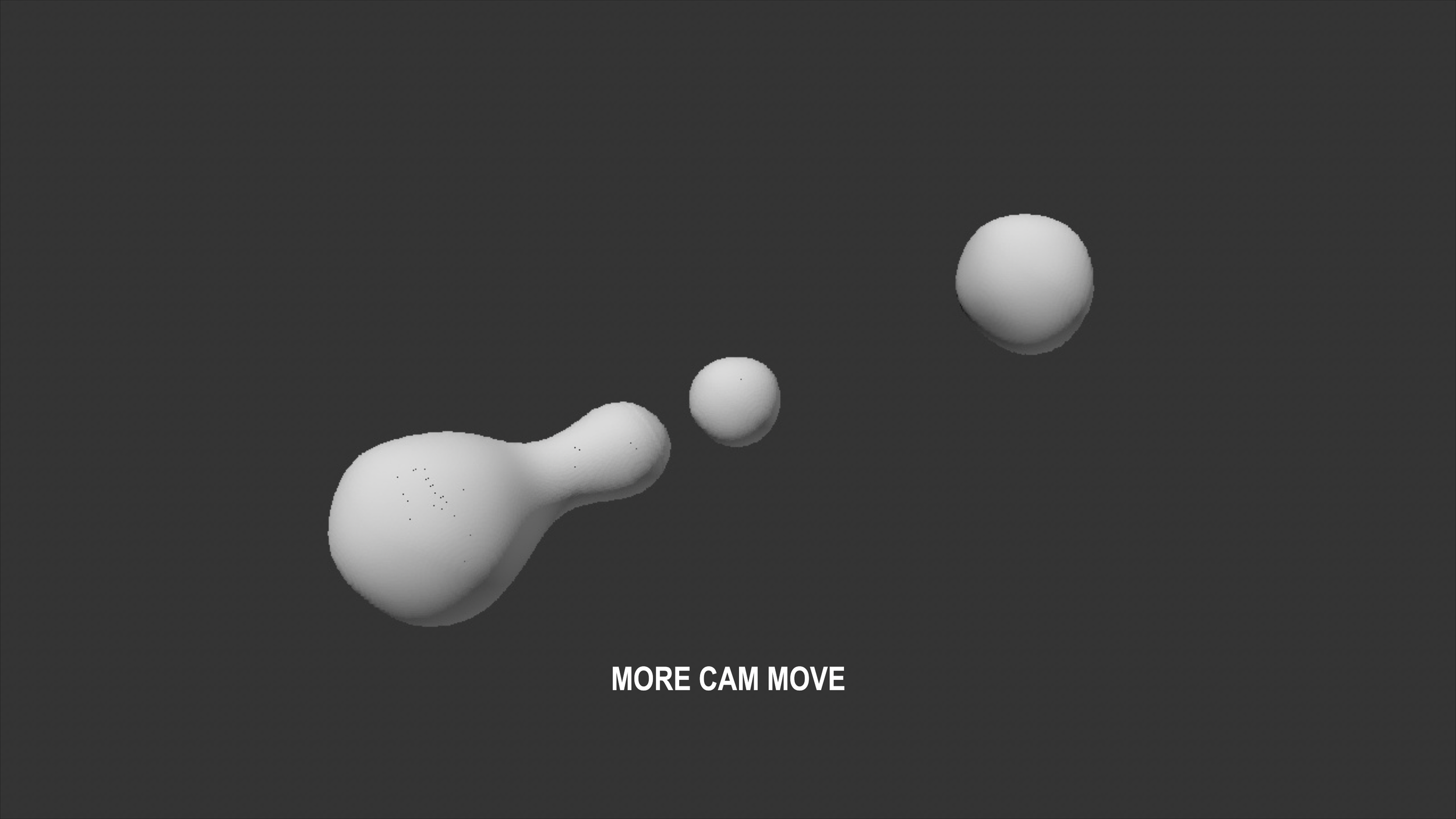
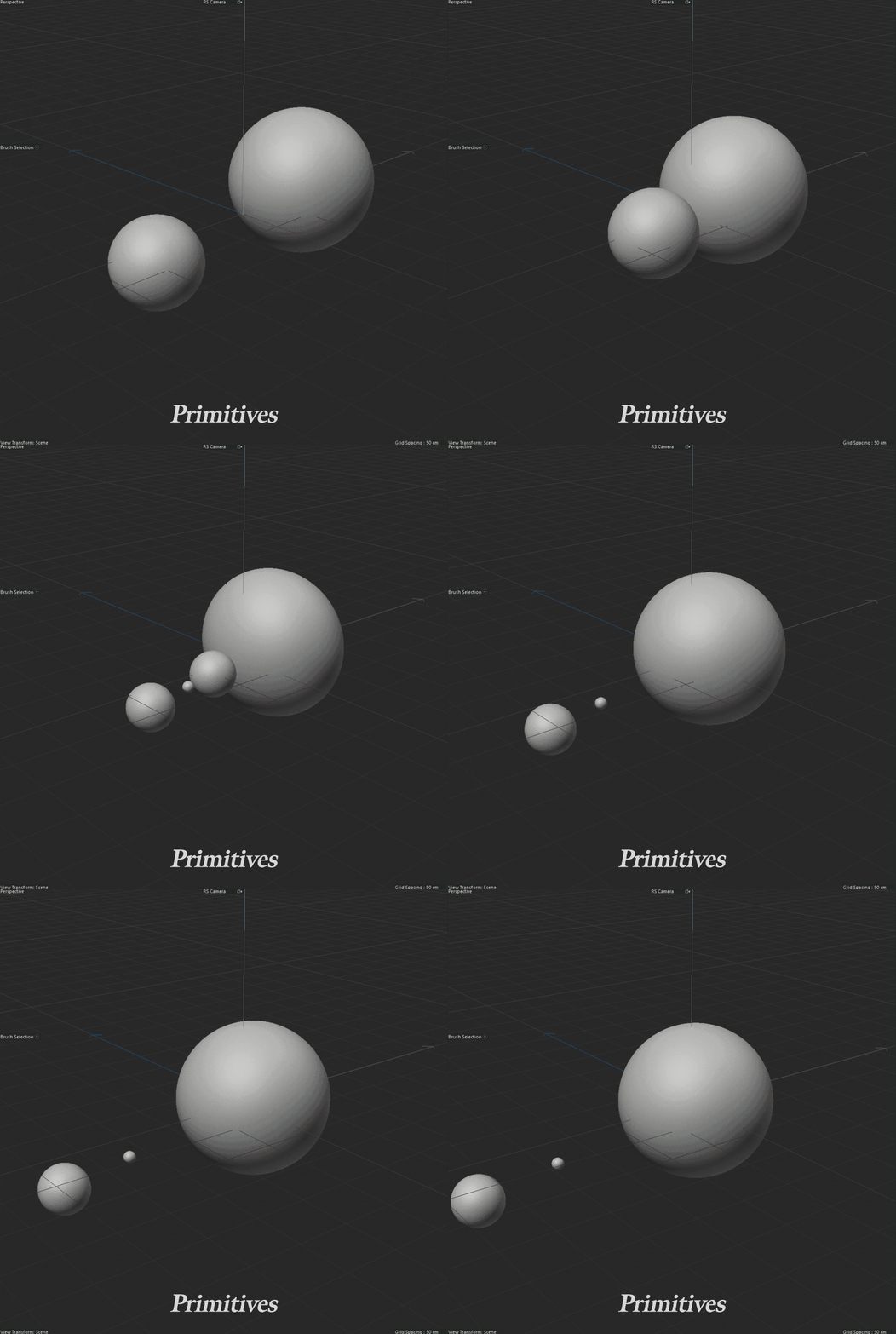
Using the classic approach, we started by animating primitive spheres to represent the push and pull forces acting on the mass of the water.
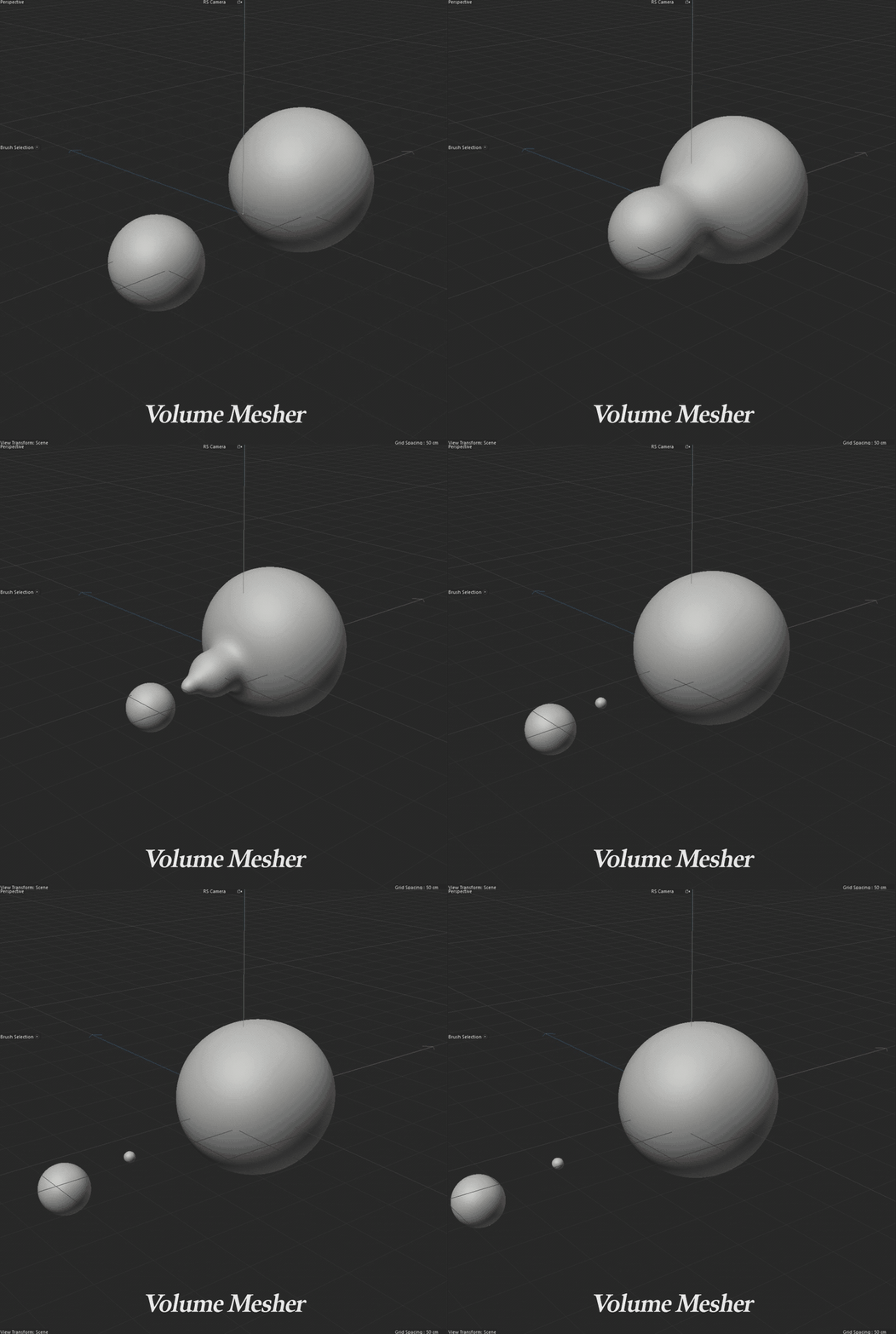
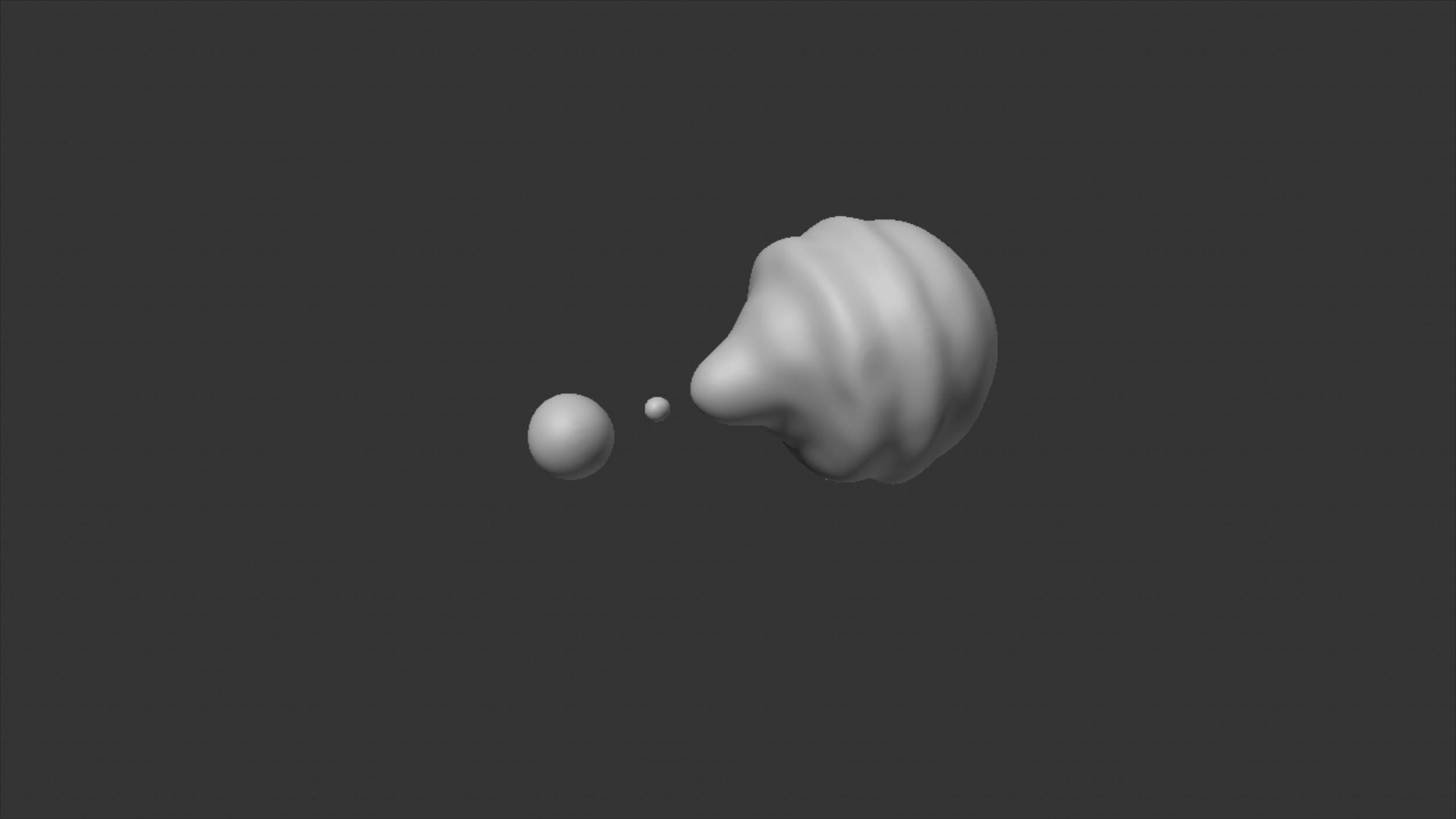
Using a Volume Mesher, we gave this base structure a ‘skin’ to simulate surface tension and keep the elements together.
When observing water impacts, tiny ripples move across each drop - barely noticeable, but there. Capturing this effect dancing across the surface would help the interaction feel kinetic.
Using noise and gradient maps in Displacement Deformers, we created subtle ripples. The edit would be quick, so we aimed for a stylised, slow-motion interaction. Hopefully, this would be eye-catching, but not distracting.

Results
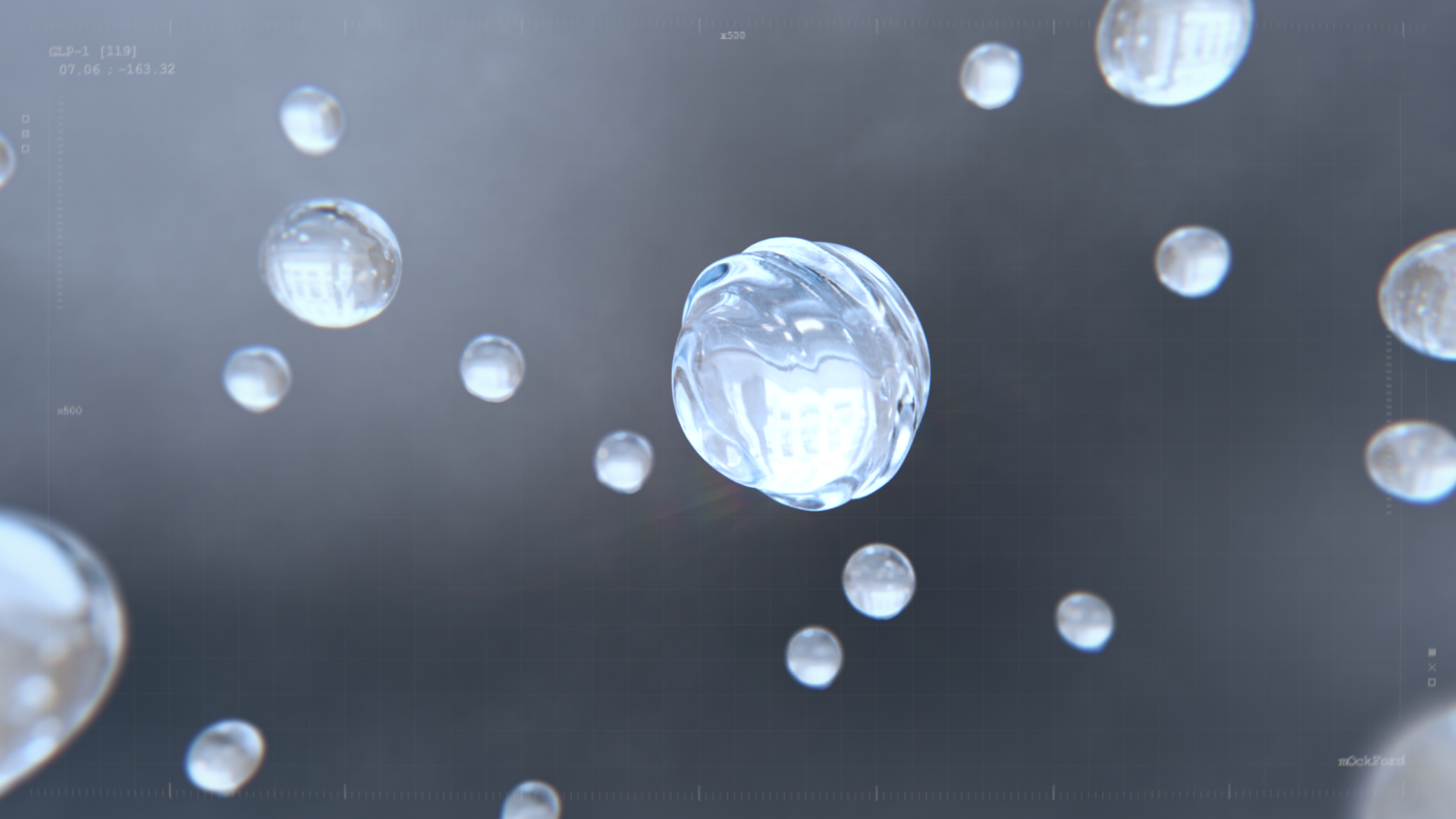
The animations were layered, objects textured, and scenes lit and rendered in Redshift. Compositing and fixing were completed in After Effects, with editing and sound mix in Premiere.
Ultimately, this was a fun experiment, a chance to explore the idea and see how far we could push it.
Now imagine what we could do with a proper brief and a little budget behind it…